
The 3.3% month-on-month rise in Ghana’s Producer Price Index (PPI) for January 2026 should not be buried in statistical reports and polite technocratic language. It is a quiet alarm bell—and Ghana’s political leadership would be reckless to ignore it.
Yes, year-on-year producer inflation remains “moderate.” But history teaches us something brutal: inflation doesn’t explode overnight; it creeps in quietly, month by month, until it becomes political fire.
A Warning Beneath the Calm Headlines
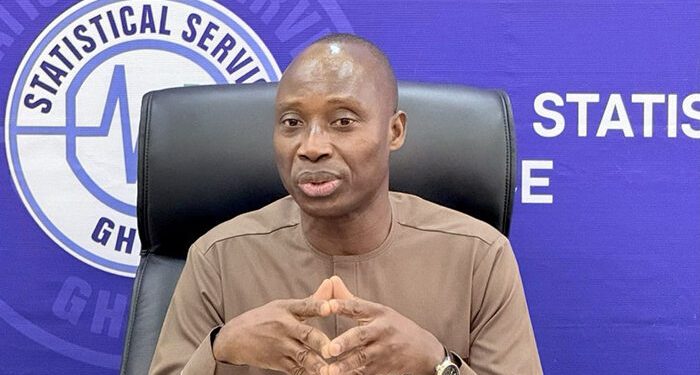
Government Statistician Dr. Alhassan Iddrisu was unusually candid. Short-term price momentum is strengthening. That is economist language for: costs are rising again inside the economy.
Producer prices are the first domino. When factories, farmers, miners, and transport firms pay more, they pass the bill to consumers. This is how inflation moves from spreadsheets to market stalls.
The political class often reacts after the damage is done—when tomatoes, cement, and transport fares spike and public anger explodes.
The Political Economy Failure
Let’s be blunt: Ghana’s inflation problem has never been purely technical. It is political.
Excessive government borrowing
Fiscal indiscipline disguised as “social spending”
Currency instability driven by policy inconsistency
Weak coordination between fiscal and monetary authorities
Every inflation spike in Ghana has carried political fingerprints.
The 3.3% PPI jump is a symptom of structural weaknesses that politicians prefer not to fix because reform is painful and unpopular.
Consumers Will Pay the Price—Again
Dr. Iddrisu advised consumers to shift spending toward stable-priced goods. That’s sound advice, but it also exposes a harsh truth: Ghanaians are being told to adjust their lives because policymakers won’t adjust their habits.
When inflation rises:
Salaries lag behind
Savings lose value
Poverty quietly deepens
Inflation is the most regressive tax in Ghana—yet no politician campaigns on fighting it seriously.
Businesses See Opportunity and Danger
Negative manufacturing inflation offers a temporary window for firms to lock in cheap inputs. But the broader signal is troubling: price volatility is returning.
Businesses hate uncertainty more than high prices. Uncertainty kills investment, jobs, and long-term planning.
Transport Relief Won’t Save Us
Declining transport inflation is good news, but fuel stability in Ghana is politically fragile. A single currency shock, tax change, or geopolitical disruption can wipe out this relief overnight.
Relying on temporary fuel calm while ignoring fiscal and monetary discipline is economic gambling with public welfare.
This Is Where Politics Must Lead—or Fail
The Government Statistician called for close monitoring. Monitoring is not leadership.
Leadership means:
Enforcing fiscal discipline
Ending election-cycle spending sprees
Strengthening BoG independence
Stabilising the cedi with credible policy, not press releases
Making hard reforms before voters force it through crisis
A Quiet Moment to Act—or a Loud Crisis Later
The 3.3% PPI rise is not a crisis. It is worse in a political sense: it is a chance to prevent one.
Ghana’s leaders have a choice:
Act now and be unpopular
Or wait and face public anger when inflation returns with full force
History suggests which path Ghanaian politicians usually choose.
Inflation is not just an economic problem. It is a political failure measured in lost livelihoods. And the January PPI data is a warning written in numbers—before it is written in protests.