
TOURISM is the activity of people moving from their usual places of residence to another destination, either within their own country or another country, for purposes such as leisure, recreation, business, education, culture, and more.
DOMESTIC TOURISM refers to travel and movement within the geographical boundaries of one’s own country, away from one’s usual place of residence, for a temporary period. It is a part of the tourism industry that encourages citizens to explore and appreciate the natural, historical, cultural, and recreational attractions available in their own country. The purpose of the trip may include leisure, education, cultural activities, visiting friends, and many more. For example, if a person travels to Kumasi, the Volta Region, or Cape Coast, they are practicing domestic tourism.
The growth of domestic tourism is important for local government because local governments are responsible for managing and developing the communities where many tourist attractions are located. When people travel within the country, they spend money on accommodation, food, transportation, attractions, entertainment, and locally produced goods. This economic activity benefits businesses and communities while also providing opportunities for local governments to generate revenue through permits, licenses, fees, tolls, and other locally generated funds. The revenue generated can support the provision and improvement of local services and infrastructure. Therefore, domestic tourism can contribute to local economic development, while local government plays a role in creating an environment that supports tourism through infrastructure, sanitation, security, regulation, and the protection of local attractions.
Domestic Tourism plays an important role in developing the tourism industry. It creates opportunities for local businesses, promotes cultural understanding, generates employment, and encourages people to appreciate the attractions and heritage found within their own country. However, domestic tourism can also create environmental and social challenges when it is not properly managed.
One of the major impacts of domestic tourism on local government is increased economic activity. When people travel to tourist destinations within their country, they spend money on accommodation, food, transportation, entertainment, entrance fees, and locally produced goods. This increased spending supports businesses operating within local communities. Local governments can also benefit from increased revenue through various taxes, levies, permits, licenses, and fees paid by tourism-related businesses. The additional revenue can provide local authorities with resources to support public services and community development projects.
Domestic tourism contributes to employment within local communities. Tourism activities require workers such as tour guides, drivers, hotel and restaurant employees, vendors, artisans, cleaners, security personnel, and event organizers. As tourism demand increases, local businesses may employ more people. For local governments, increased employment can contribute to improved living standards and reduce unemployment within their communities. It can also increase the number of people participating in local economic activities and reduce dependence on government assistance.
The growth of domestic tourism can encourage local governments to improve infrastructure in tourist destinations. Roads, transportation systems, public toilets, waste-management facilities, water supply, electricity, recreational facilities, and communication networks may need to be improved to accommodate visitors. Although infrastructure development can require significant government investment, the improvements can benefit both tourists and residents. Better roads, sanitation facilities, transportation, and public spaces can improve the overall quality of life within the community.
Domestic tourism can contribute to national pride and identity. When citizens visit important historical and cultural sites, they gain a better understanding of their country’s history and achievements. For example, in Ghana, visiting places such as Cape Coast Castle, Elmina Castle, Kakum National Park, Mole National Park, and the Volta Region’s natural attractions can help citizens understand and appreciate the country’s historical, cultural, and natural heritage. This appreciation can encourage citizens to help protect and promote their country’s heritage.
However, Domestic tourism is also closely connected to domestic marketing, as effective marketing encourages citizens to travel within the country and spend on local products and services.
Domestic marketing can strengthen the local economy through the SEWF concept—See Ghana, Eat Ghana, Wear Ghana, Feel Ghana, and Experience Ghana. This is because See Ghana encourages citizens to visit attractions such as Cape Coast Castle, Kakum National Park, Mole National Park and Wli Waterfalls, thereby creating income for hotels, tour guides, transport operators, restaurants and local vendors. Eat Ghana also promotes local foods such as fufu, waakye, banku and kenkey and this supports farmers, food vendors, restaurants and other food-related businesses. Wear Ghana encourages the use of locally made products such as kente from Bonwire, smocks from the Northern Region and batik fabrics, providing income and employment for weavers, designers and traders across the country . Feel Ghana promotes rich Ghanaian culture through festivals, music, traditions and local entertainment, while Experience Ghana encourages people to participate in activities such as visiting cultural sites, exploring national parks and experiencing traditional festivals.
SEWF therefore helps keep money within the local economy by encouraging people to spend on Ghanaian products, services and experiences. For example, when visitors travel to Kakum National Park, they may pay for transportation, accommodation, food, tour guides and locally made crafts, and this creates income for several businesses within the surrounding communities. Similarly, festivals such as the Homowo Festival in Greater Accra and the Aboakyere Festival in Winneba, attract visitors who spend money on food, accommodation, transportation, clothing and entertainment. This creates employment, supports small and medium-sized businesses and provides additional income for local communities. Therefore, See Ghana, Eat Ghana, Wear Ghana, Feel Ghana and Experience Ghana can contribute to local economic growth by encouraging domestic spending, supporting local enterprises and promoting Ghanaian products and services.
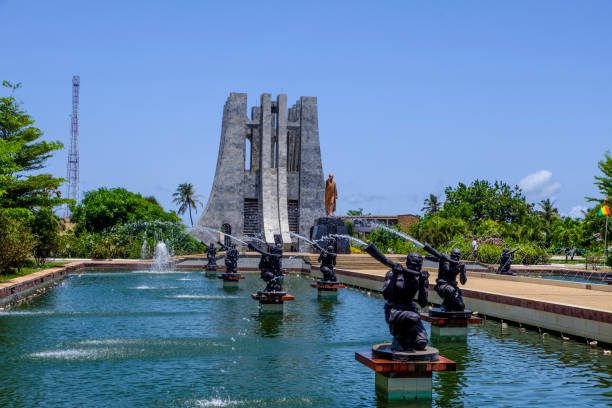
According to the 2025 Ghana Tourism report, domestic tourism in Ghana was largely concentrated around major tourist destinations. The country’s ten most popular tourist sites recorded 1,377,588 visits, representing 77% of total domestic visitations. This demonstrates the strong attraction of Ghana’s historical, cultural, and natural tourism sites to domestic visitors. The Kwame Nkrumah Memorial Park recorded the highest visitation, attracting 302,523 visitors and maintaining its position as the country’s leading tourist site. It was followed by Kakum National Park, which recorded 203,222 visits, while Bunso Arboretum ranked third with 149,319 visitors.
Other highly visited destinations included Cape Coast Castle, with 141,523 visitors, and
Manhyia Palace Museum, which recorded 120,328 visits. Kumasi Zoo, Accra Zoo, Elmina Castle, Shai Hills Resource Reserve, and Aburi Botanical Garden also featured among the top ten tourist sites.
In conclusion, domestic tourism has significant impacts on local government and the communities they serve. It can generate revenue, create employment, support local businesses, improve infrastructure, promote cultural heritage, and encourage development in rural and less-developed areas. At the same time, increased tourism can strain public services, infrastructure, and the environment.
Therefore, local governments need effective tourism planning and management to maximize the benefits while reducing the negative effects. When properly managed, domestic tourism can become an important tool for local economic development, community improvement, and sustainable development.
BY: WORKLATSI JOHN EDEM
INTERN, CORPORATE AFFAIRS DEPARTMENT
GHANA TOURISM AUTHORITY