
By Kinte Koumbal, Back From Burkina Faso
Lieutenant-colonel Passowendé Pélagie Kabré/Kaboré, Burkina Faso’s own Minister of Family and Solidarity.
A figure disclosed by Burkina Faso’s own Minister of Family and Solidarity, Lieutenant-colonel Passowendé Pélagie Kabore, is raising difficult questions about the country’s economic direction.
More than 50,000 young Burkinabè have been provisionally identified in connection with operations against illegal gold mining in Guinea, according to the minister.
The number is not final: identification and biometric registration are still under way. It may therefore rise.
This is not an estimate put forward by the opposition or by critics of the authorities. It comes from a government minister speaking about the situation of Burkinabè nationals affected by the operations. That provenance gives the disclosure particular weight. Since the minister described the figure as provisional, 50,000 should not be treated as the final total. It is the scale officially acknowledged so far.
The minister also referred to more than 10,000 young people gathered in Bamako. Together, these figures point to a major cross-border phenomenon involving young Burkinabè seeking livelihoods beyond their country, often in circumstances that expose them to insecurity, exploitation and precarious work.
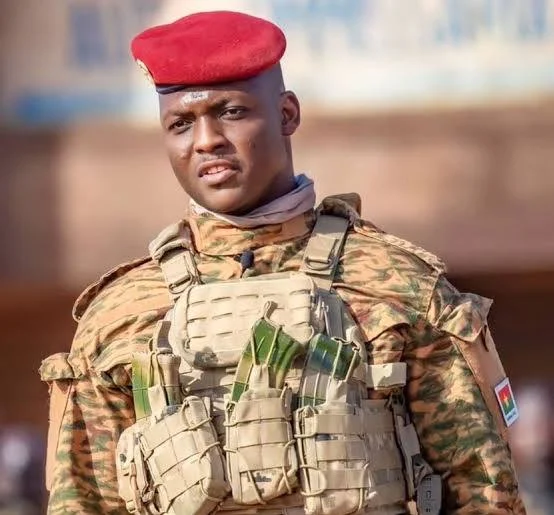
The figures raise a fundamental question: why are so many young people leaving Burkina Faso for informal and often dangerous gold-mining activities elsewhere? This revelation raises difficult questions about the narrative promoted by Captain Ibrahim Traoré’s government and its supporters, particularly across the English-speaking world.
Burkina Faso is increasingly presented as a model of African sovereignty, economic independence and prosperity-a revolutionary success story supposedly offering a new path for the continent.
But how does this image reconcile with a provisional estimate of more than 50,000 young Burkinabè involved in this cross-border situation? There is an increasingly visible gap between the government’s carefully cultivated image, amplified by patriotic messaging and online propaganda, and the economic realities facing ordinary citizens.
Sovereignty cannot be measured by speeches, viral videos or declarations of independence. It must be measured by decent jobs, improved living conditions and genuine opportunities for young people.
The government’s proposed response also needs to be examined. The minister indicated that, after receiving initial assistance, the young people would be returned to their respective villages. Immediate support may be necessary and welcome. But returning people to their places of origin is not the same as reintegrating them into sustainable livelihoods.
What happens after they arrive? Will they have access to vocational training, land, finance, decent employment or support to develop economic activities? What measures will prevent them from leaving again for the same dangerous and informal work?
Without clear answers, repatriation risks becoming a temporary administrative operation rather than a lasting solution. Sending young people home without addressing the conditions that drove them abroad could reproduce the same cycle: hardship, departure, exposure to danger and eventual return.
This is where the gap between political messaging and lived reality becomes most visible. Sovereignty cannot be measured only through speeches, flags, diplomatic declarations or viral videos.
It must also be judged by whether citizens can find decent work, support their families and build a future without risking their lives elsewhere. No government can credibly claim an economic revolution while avoiding difficult questions about the lived experiences of its population.
The issue is not whether Burkina Faso has the right to defend its sovereignty. It does. The real question is whether that sovereignty is translating into tangible improvements in people’s lives.
The minister’s own figures have made that question impossible to avoid. A political project that claims to transform the country must be judged not by the strength of its propaganda, but by the opportunities it creates for its people.
The real test of Burkina Faso’s transformation is not how loudly its achievements are proclaimed abroad, but whether its young people can find a future at home.