
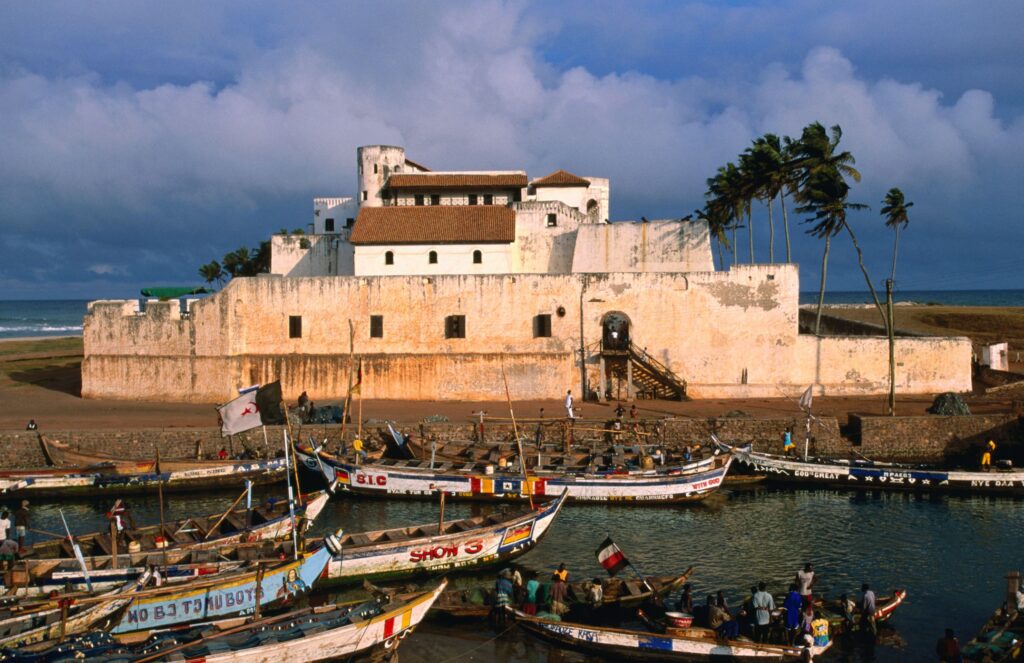
Ghana’s tourism industry is becoming a major pathway for youth employment, skills development and entrepreneurship. The Ghana Tourism Authority (GTA), in partnership with the Ghana Tourism Federation (GHATOF), is introducing programmes to train young people, improve professional standards and create opportunities for them to build sustainable careers in the tourism sector.
Tourism Employment: A Growing Opportunity
The growth of Ghana’s tourism sector is already translating into employment opportunities. According to Ghana’s tourism sector performance reports, tourism-related employment increased from 252,714 jobs in 2021 to 276,985 jobs in 2022, representing an increase of more than 24,000 jobs in one year.
The 2023 Tourism Ministry statistics provide a more detailed picture. Direct employment in the tourist industry increased to approximately 204,591 jobs in 2023, covering hotels and restaurants, travel agents and tour operators, airlines, recreational facilities, tour guides, tourist shops and other tourism-related organisations. When indirect employment generated through tourism-related activities such as handicrafts and other supporting industries is included, total tourism employment was estimated at approximately 429,641 jobs in 2023.
The sector continued to expand in 2024. Ghana recorded 1,288,804 international tourist arrivals, while the number of licensed tourism enterprises increased from 5,786 in 2023 to 6,702 in 2024. The sector generated approximately US$4.8 billion in tourism revenue, creating increased demand for workers across accommodation, food services, transportation, tour operations, entertainment, events and other tourism-related businesses.
In 2025, international tourist arrivals increased further to 1,306,962, representing a 1.4 percent increase over 2024. This continued visitor growth provides a stronger market for tourism businesses and creates opportunities for additional employment and entrepreneurship along the tourism value chain.
Although a directly comparable national tourism-employment figure for every year from 2021 to 2025 is not available in the same official series, the available evidence shows a clear post-pandemic recovery: tourism-related employment rose between 2021 and 2022, direct tourism employment expanded by 2023, tourism enterprises increased substantially in 2024, and international arrivals continued to grow in 2025.
GTEM Programme: Moving Young People from Unemployment to Enterprise
A key initiative is the Graduate Tourism Employment and Mobility (GTEM) Programme, which will train and certify 200 graduates as professional tour guides. These graduates will be deployed to hotels, tour companies, cultural sites and events across the country.
The programme will also provide mobility support through a structured work-and-pay vehicle system, helping graduates overcome the challenge of accessing vehicles to operate their businesses.
GTA Chief Executive Officer, Maame Efua Houadjeto, explained:
“We are going to train and certify 200 graduates as professional tour guides, standardise and improve the quality of tour guiding across Ghana, and deploy them into hotels, tour companies, cultural sites, and events.”
She further described the bigger vision of the programme:
“This is how we move from unemployment to enterprise. It is not just about training, but about linking opportunity directly to productivity.”
The GTA and GHATOF programmes are particularly important because tourism employment is not limited to a single workplace. One trained tour guide can generate income for drivers, hotels, restaurants, attraction managers, photographers, artisans, event organisers and local businesses. Therefore, supporting one tourism worker can create economic activity for several other people within the tourism value chain.
Professional Training and Certification
Beyond the GTEM programme, the National Professional Training and Certification Programme is also helping to strengthen Ghana’s tourism and hospitality workforce. It targets frontline workers such as tour guides, waiters, housekeepers, front-office staff and restaurant managers, giving them access to recognised professional training and certification.
GHATOF President Seth Ocran highlighted the importance of making certification available to workers:
“I want to speak directly to our frontline workers: this programme was designed with you in mind… certification must be accessible not just aspirational.”
This approach can help young people become more employable by giving them practical skills, professional recognition and opportunities to move into better-paying positions.
Creating New Tourism Entrepreneurs
The opportunities in tourism are no longer limited to working in hotels or traditional travel agencies. Young people can build businesses as tour operators, content creators, car-rental operators, photographers, event organisers, food vendors, travel consultants and digital marketers.
Content creators, for example, can use social media to promote Ghana’s beaches, historical sites, festivals, food and culture to both local and international audiences. Tour operators can turn these attractions into organised experiences, while car-rental businesses and professional drivers provide the transportation tourists need.
This creates a wider tourism ecosystem where one visitor can generate income for several businesses and workers.
How Tourism Can Further Reduce Youth Unemployment
The growth of tourism provides Ghana with an opportunity to tackle youth unemployment in several ways. First, skills training and certification can prepare young people for immediate employment in hotels, restaurants, tour companies and attractions. Second, entrepreneurship support, such as the mobility assistance under GTEM, can help graduates create their own businesses instead of depending entirely on formal employment.
Third, tourism can create opportunities outside Accra and other major cities. Young people living near beaches, waterfalls, heritage sites, national parks, festivals and cultural attractions can provide guiding, transportation, accommodation, food, entertainment and creative services.
Finally, the sector can create both direct and indirect employment. The 2023 tourism employment estimate demonstrates this wider impact, with indirect activities significantly increasing the number of livelihoods supported by tourism.
The GTA also recognises that developing the sector requires cooperation between government, businesses, workers and other stakeholders. Maame Efua Houadjeto said:
“No single institution can transform the sector alone… but together, we can build a sector that is professional, competitive, and globally respected.”
With proper training, certification, mobility support, investment and access to entrepreneurship opportunities, Ghana’s tourism sector can become an even stronger engine for youth employment. The objective should not only be to create jobs, but to equip young Ghanaians with the skills, confidence and resources to become employees, entrepreneurs and employers themselves.
The continued growth in tourist arrivals, tourism enterprises and tourism revenue between 2021 and 2025 provides a strong foundation. The next step is to ensure that Ghanaian youth are equipped to capture a larger share of the economic opportunities created by every visitor who enters the country.
References
Ghana News Agency. (2025, July 5). GTA launches 2024 Tourism Report, as sector maintains upward trajectory.
Ghana News Agency. (2025, July 7). Ghana records $4.8 billion in tourism revenue in 2024.
Ghana News Agency. (2026, June 8). GTA releases 2025 Tourism Report, records growth in international arrivals.
Ghana News Agency. (2026, August 11). Ghana records 1.3m international tourist arrivals, earns $4.34bn in 2025.
National Development Planning Commission. (2024). 2024 National Annual Progress Report. Government of Ghana.
Ghana Tourism Authority. (2025). 2024 Ghana Tourism Report: Growth and Stability. Ministry of Tourism, Culture and Creative Arts.
Ghana Tourism Authority. (2026). 2025 Tourism Report: Resilience and Sustainable Growth. Ministry of Tourism, Culture and Creative Arts.
MAUREEN EDUAFO- MENSAH
INTERN
CORPORATE AFFAIRS
GHANA TOURISM AUTHORITY