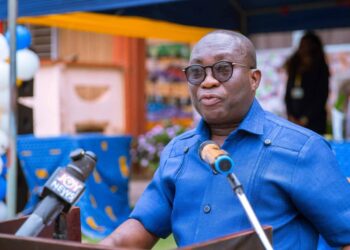

Economist and public policy expert Dr. Frank Bannor has strongly criticized the government’s recent imposition of a GH₵1 tax per litre of fuel, describing it as a regressive move that disproportionately affects low-income Ghanaians and reflects a lack of policy innovation in addressing the country’s energy sector challenges.
In a statement titled “My Position on the 1₵ Per Litre Fuel Tariff”, Dr. Bannor drew comparisons between the new tax and previous policy decisions, recalling the 14.75% increase in electricity tariffs introduced by President John Mahama’s NDC government in May. He noted that despite public outcry, Ghanaians were compelled to pay in the name of fixing energy issues, a trend that appears to be repeating itself.
Dr. Bannor warned that the new fuel tax—which effectively raises pump prices by about 8%—will worsen poverty levels by increasing the financial burden on ordinary citizens, especially those in the informal sector and low-income brackets. “Unlike the e-levy, which could be avoided, fuel tax hits everyone and hits the poor hardest,” he stressed.
He added that the economic fallout from the tax could be far-reaching, triggering hikes in public transport fares and escalating the cost of goods and services due to fuel-dependent supply chains. Dr. Bannor further accused the government of making citizens pay for its inefficiencies, pointing to a lack of comprehensive reforms across the energy generation, transmission, and distribution value chain.


“The problem is not lack of funds, it is poor policy and weak leadership,” he asserted. He ended his statement by calling for the resignation of the Energy Minister, stating that the continued deterioration in the sector reflects a failure in leadership and strategy.