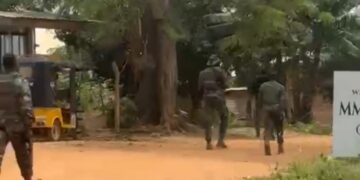

The ongoing conflict in Bawku has become a serious threat to the peace, stability, and progress of Ghana’s Upper East Region.
Despite multiple attempts by the government to resolve the longstanding tensions, the situation remains volatile and has resulted in loss of lives and deep-seated mistrust among the people. This is largely due to the lack of a sustained, strategic, and impartial approach.
To tackle this issue, I propose the immediate establishment of an Independent Professional Security Unit, comprising of experts in bilateral negotiations, intelligence analysis, and conflict resolution. This unit should operate independently from the existing state security apparatus, with a focus on professionalism and technical neutrality.
Their main responsibility would be to work closely with the government, led by His Excellency President John Dramani Mahama, the Commander-in-Chief of the Ghana Armed Forces.
Additionally, they should collaborate with the Parliamentary Committees on Defence and Interior, forming a multi-institutional platform to address the root causes of the conflict and develop a unified national response.
The Bawku crisis demands an unbiased and specialized security unit, composed of professionals in bilateral negotiations and intelligence. This unit should work closely with the government, led by the Commander-in-Chief, and the Parliamentary Committees, to approach the conflict tactically and strategically. Their goal should be to thoroughly identify the underlying causes and provide a comprehensive and factual report to facilitate a resolution that is not influenced by political agendas.
The main focus of this specialized unit should be to conduct a thorough and strategic analysis of the Bawku crisis, going beyond surface-level signs to uncover the root causes. This includes delving into past grievances, land conflicts, inter-ethnic tensions, political influences, and security failures. The ultimate goal is to compile an objective, evidence-based report that can inform effective policies and enforcement actions.
What Bawku urgently requires is a lasting solution, not temporary ceasefire agreements or politically-driven peace efforts.
Previous attempts, while well-meaning, have often lacked depth, consistency, and the necessary expertise for sustainable peacebuilding. The situation calls for a technocratic approach based on intelligence, diplomacy, and community involvement.
In order to achieve meaningful results, the process must involve extensive consultations with local stakeholders, including traditional leaders, religious figures, youth groups, women’s organizations, and members of civil society. Lasting peace can only be achieved if those most impacted by the conflict play an active role in shaping the future.
This approach must also be supported by thorough intelligence gathering, trust-building measures, and clear monitoring systems to assess the effectiveness of interventions over time. The solution must be inclusive, transparent, and driven by a firm political resolve, without any partisan interests.
The Bawku crisis is not a regional issue to be pushed to the margins of national discourse. It is a nationwide security concern with implications for Ghana’s broader peace and governance agenda. Allowing it to persist will only lead to further instability and erode public trust in state institutions.
I urge His Excellency President John Dramani Mahama, the Ministers for Defence and Interior, the leaders of Parliament, and all those involved to give this professional suggestion the urgent attention it requires. It is high time for Ghana to prioritize professionalism above political agendas when addressing intricate internal security concerns, such as the situation in Bawku.
What is needed is a resolute, well-coordinated, and expertly-guided national strategy to bring an end to the Bawku conflict and bring back stability and hope to the affected communities.
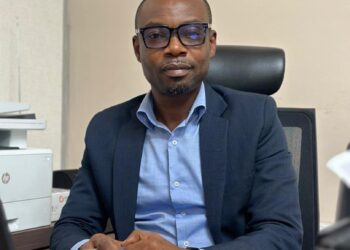
Nana Kweku Ofori Atta, Security Analyst.