
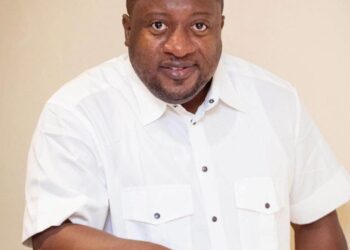
The reported detention of Asante Akyem North MP, Ohene Kwame Frimpong, at Schiphol Airport in Amsterdam has exploded into a major political controversy, reopening old scars from Ghana’s darkest cocaine scandals and reviving memories many believed had been buried with the Kufuor-era NPP government.
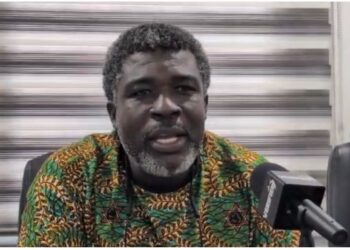
Parliament has confirmed that Ohene Kwame Frimpong — an independent MP who emerged from the broader NPP political orbit after defeating former NPP MP Andy Appiah-Kubi — was detained in the Netherlands, though authorities have not publicly disclosed the exact basis for the arrest.
But in Ghanaian politics, the arrest has immediately triggered comparisons to the infamous “cocaine turned konkonte” era under former President John Agyekum Kufuor, when repeated narcotics scandals battered the reputation of the NPP government and raised questions about whether powerful interests were being protected.
That era became politically toxic after cocaine exhibits seized in a major narcotics case allegedly transformed into harmless substances while under state custody — a scandal that gave birth to the enduring political phrase, “cocaine turned konkonte.” For many critics, it symbolised what they described as a collapse of accountability at the height of the cocaine controversies.
The Kufuor years also saw the conviction of former NPP MP for Nkoranza North, Eric Amoateng, in the United States over cocaine trafficking charges — one of the most damaging political drug scandals in Ghana’s Fourth Republic.
Now, with Ohene Kwame Frimpong’s detention making international headlines, opposition voices say the ghosts of that era are once again hanging over the NPP’s political legacy. Critics argue that even though Frimpong currently sits as an independent, his political rise within NPP circles and the controversies surrounding his emergence make the comparisons politically unavoidable.
Before entering Parliament, Frimpong’s rise had already generated controversy in Asante Akyem North, where rivals accused him of using overwhelming financial influence to unseat the sitting NPP MP during the constituency’s turbulent political battles — allegations his camp rejected.
Parliament says it is engaging Ghana’s diplomatic mission in The Hague for official clarification and has urged restraint until verified details emerge.
Yet politically, the damage is already unfolding. For critics of the NPP, the Amsterdam detention is not being treated as an isolated incident, but as another chapter in a long and uncomfortable national history of cocaine scandals, mysterious investigations, and political embarrassment stretching back decades.


Cocaine Shadows Return: Ohene Kwame Frimpong’s Arrest Revives Ghost of NPP’s Drug-Era Controversies

Related Posts


Leave a Reply





ADVERTISEMENT

The New Crusading Guide is a privately own newspaper in Ghana with Mr ABdul Malik Kweku Baako as its Editor in Chief. We give you the latest news