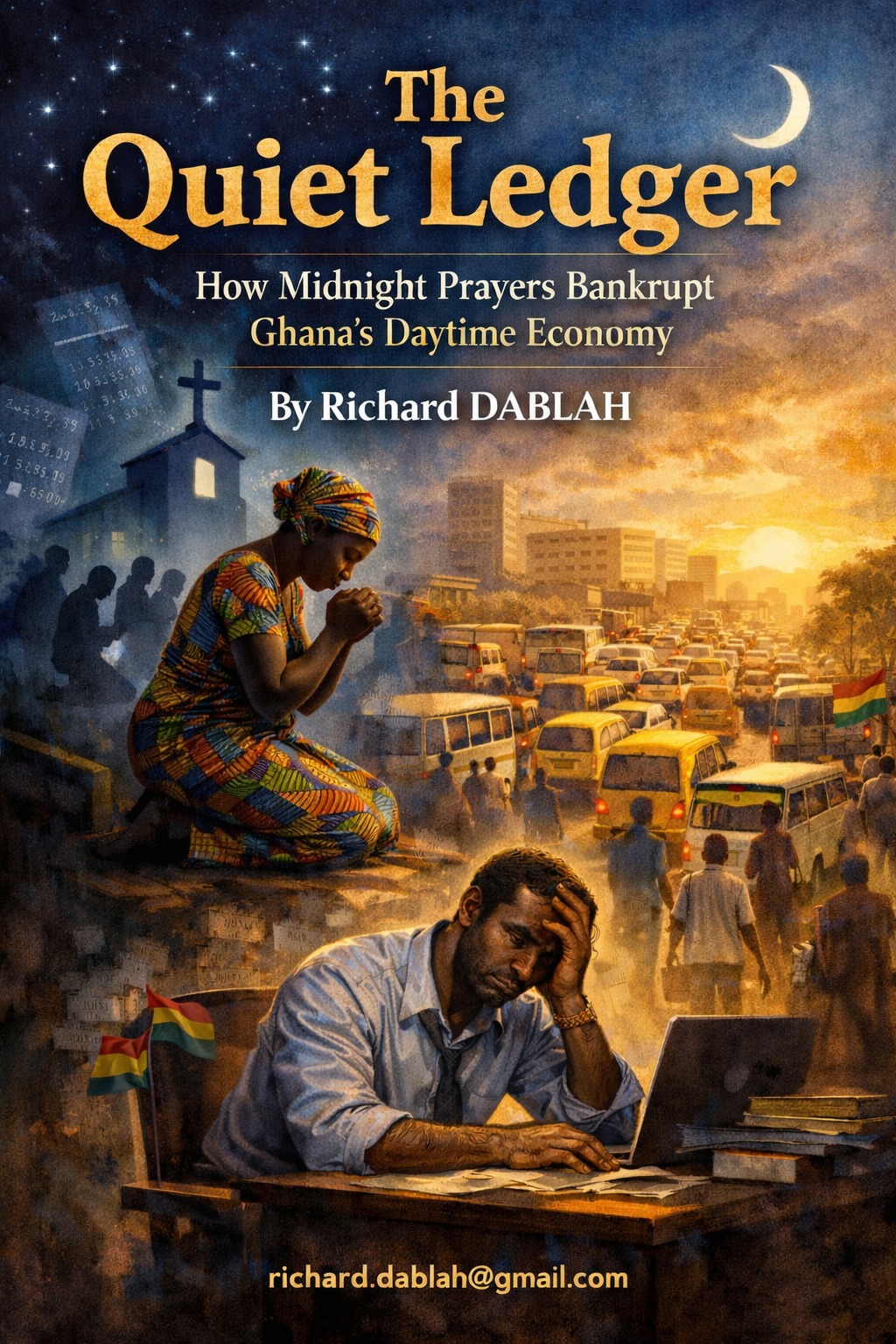

In Dansoman, a family endures what should be considered intolerable: relentless noise from PCG Emmanuel Congregation — mornings that begin before the body wakes, nights that refuse to end, and December stretched into a marathon of unbroken sound. Appeals for civility — letters, meetings, formal complaints — have been met with defiance. Louder music. Pointed songs. Public mockery. When an elderly father, driven to sheer exhaustion, approached the church gate, the congregation responded with a chant of “Shame.” Let that sink in: worship turned into public humiliation. What has happened here is not oversight; it is deliberate aggression, a statement that moral authority shields license to harm.
This is no longer the domain of small, one-man churches — though their audacity is legendary. Megachurches, with sprawling boards, multiple branches, and immense influence, have learned the same lesson: volume is power, legality is negotiable, and neighbours’ rights are optional. Across Accra, urban neighbourhoods have become unwilling annexes of sanctuaries. Bedrooms, nurseries, sickrooms — all invaded, all sacrificed for the sake of amplified devotion. Noise is weaponized. Worship is transformed from inspiration into coercion.
Ghana has laws to protect citizens from precisely this abuse: decibel limits, night-time restrictions, and environmental regulations. Yet these exist mostly on paper. The moment the source of noise wears moral authority or social influence, enforcement collapses. Assemblies negotiate politely. Police counsel tolerance. Regulators issue advisories that vanish into the night air. Meanwhile, families suffer chronic sleep deprivation, elevated stress, and rising tension that, unchecked, could escalate into tragedy. The system permits it; the state tolerates it; society shrugs.
Faith should be restorative. Silence should not require begging. Reverence must coexist with civility. But when churches — small or megachurch alike — treat sound as a weapon, worship as spectacle, and piety as immunity, the mirror they hold up reflects not sanctity but arrogance. PCG Emmanuel Congregation, Dansoman is one example among many, but it represents the pattern: devotion without discipline, authority without accountability, morality wielded as power. Ghanaian society cannot continue to allow spiritual institutions to assault public health while cloaked in divine purpose.


Enough is enough. Faith does not entitle one to tyranny. Worship that harms is not sacred; it is a crime against civility, a violation of community, and a threat to life and health. If the state refuses to act, if assemblies fail to enforce the law, then health and human dignity are themselves silenced — drowned by speakers that preach supremacy instead of mercy.
Richard DABLAH