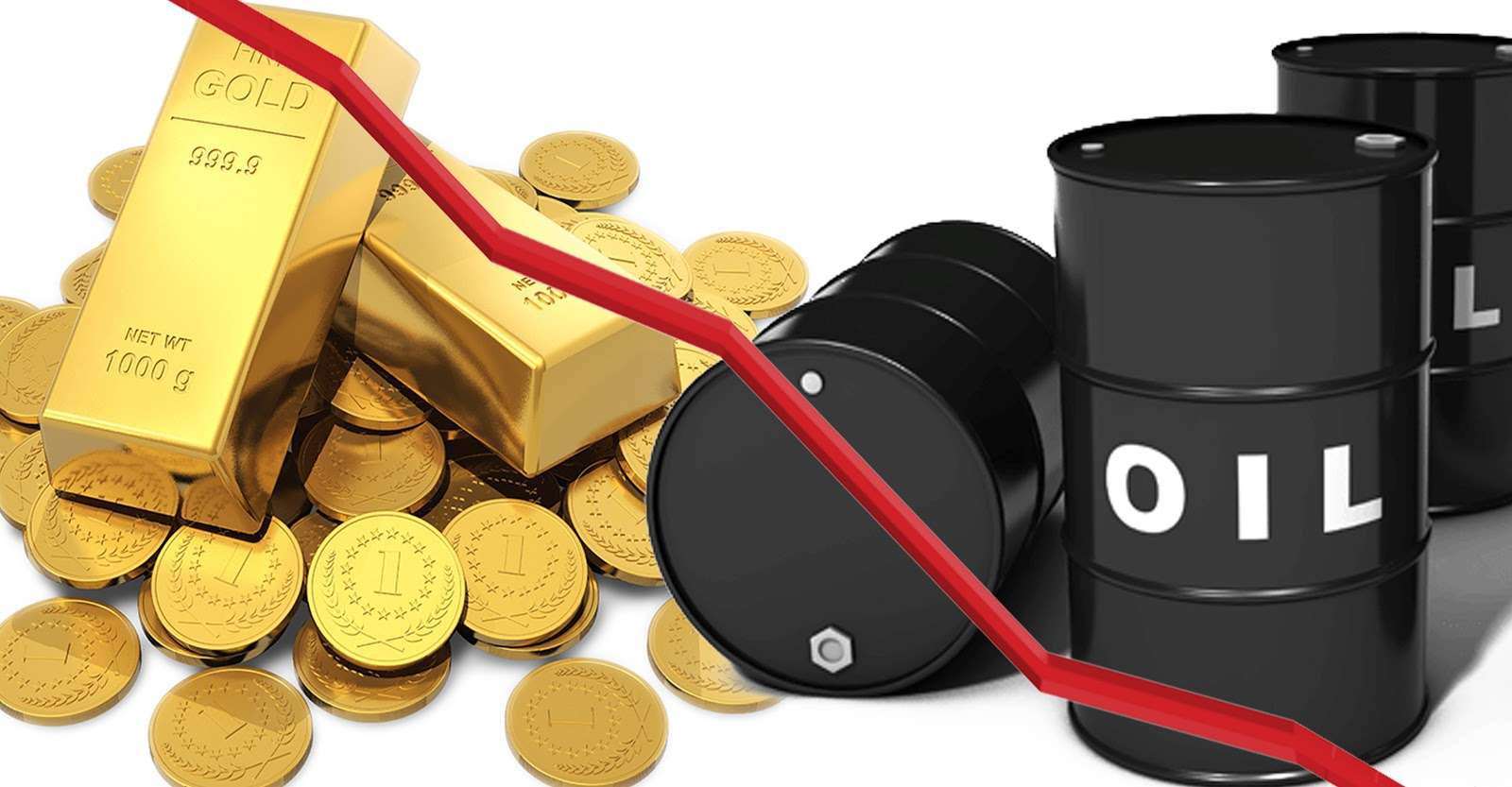

Vice President of policy think tank IMANI Africa, Bright Simons, has called for a deeper probe into Ghana’s Gold-for-Oil programme, arguing that the initiative was economically flawed and led to significant financial losses for the state.
Speaking on JoyNews’ Newsfile on Saturday, October 4, 2025, Mr. Simons said the policy, introduced as a measure to stabilise the Cedi and reduce reliance on foreign currency reserves, failed to deliver on its core objectives and instead created inefficiencies that drained public resources.
Ghana currently imports refined fuel worth between $250 million and $400 million monthly due to its inability to refine crude locally, despite having two state refineries. The Gold-for-Oil policy, first proposed in 2021 and rolled out in 2022, was designed to address this by purchasing gold locally in Cedis and using it to acquire oil, thereby reducing the demand for dollars.


According to Mr. Simons, the concept only made sense if the barter arrangement provided a more favourable exchange rate than the traditional process of selling gold for dollars and then buying oil with those proceeds. “That was never demonstrated,” he argued, insisting the government failed to prove the model was cost-effective.
He further criticised the programme for weak oversight, lack of transparency, and structural flaws that made financial losses inevitable. “The programme’s design and execution created conditions for avoidable losses. These are material losses to the state that deserve thorough investigation,” he stressed.
Mr. Simons’ comments add to growing calls for accountability in the management of the scheme, which many analysts and opposition figures have described as opaque and economically unsound.