By Adu Koranteng , korantengadu@gmaik.com
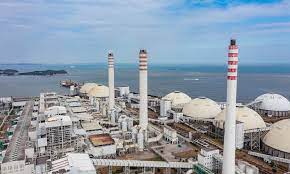
Accra, Ghana — As the sun sets behind rows of idle power plants near Tema, 48-year-old Michael Mireku , an engineer with over two decades in Ghana’s power sector, looks out at the silent turbines and sighs.


“We built these to end the dumsor,” he says, using the local term for power outages. “But now we’re paying millions every month for power we don’t even use.”
In 2015, faced with crippling blackouts, the Government of Ghana acted fast—signing over 40 Power Purchase Agreements (PPAs) with private Independent Power Producers (IPPs). The contracts, often negotiated under emergency conditions, were largely “take-or-pay,” requiring Ghana to pay for power whether it’s used or not.
A Crisis Hidden in the Lights
The lights may be on in Accra today, but behind that stability lies a fiscal crisis threatening the very institutions that keep them lit. Ghana now generates far more electricity than it uses—by some estimates, over 60% more than national demand.
Each year, the Electricity Company of Ghana (ECG) pays hundreds of millions of dollars for idle electricity. The shortfall? Covered by government bailouts and loans—piling up into a mountain of energy sector debt.
“We’re Drowning”
Ama Owusu, a Ministry of Finance official who requested anonymity, admitted the growing burden is unsustainable.
“Every cedi we spend bailing out ECG or IPPs is a cedi not spent on hospitals, schools, or roads,” she said. “We are drowning in obligations we can’t afford.”
Indeed, Ghana’s energy sector debts now exceed $2 billion, placing pressure on the national budget and risking further downgrades from international credit agencies.
Investors Losing Confidence
Private investors, too, are nervous. Kwame Addo, an executive at an IPP in Takoradi, says his company hasn’t been paid in full for months.
“We were promised timely payments. Now, we’re chasing invoices for power delivered six months ago. It’s not sustainable.”
What Went Wrong?
Experts say the rush to solve the “dumsor” crisis led to hasty decisions.
> “The government overcommitted,” says energy analyst Dr. Nana Serwaa Aboagye. “They signed contracts without a clear energy plan. The result is overcapacity, inflated costs, and long-term liabilities.”
According to the World Bank and IMF, Ghana must renegotiate its most burdensome PPAs or face long-term fiscal instability.
A Call for Reform
Some progress is being made. The Ministry of Energy has begun talks to restructure select PPAs, aiming to move from “take-or-pay” to “take-and-pay” models that charge only for power consumed. But these talks are complex and politically sensitive.
Meanwhile, consumers feel the squeeze. Electricity tariffs rose in 2023, and further hikes loom.
At a market in Kumasi, trader Adwoa Boateng is already feeling the pinch.
> “My electricity bill has doubled. They say we have too much power—but why are we paying more?”
The Road Ahead
Fixing Ghana’s energy mess won’t be easy. It will take transparency, tough negotiations, and long-term planning. But the cost of inaction—more debt, higher tariffs, and lost investor confidence—is far greater.
As the turbines in Tema remain quiet, the country must find a way to balance stability with sustainability.
“We need power, “Michael Mireku says. “But we also need to stop paying for what we don’t use. This can’t go on.”