By Ernest Addo
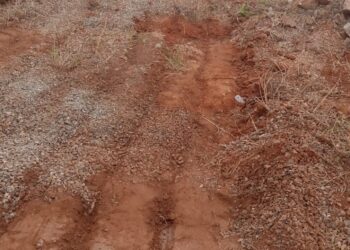
The Volta River Authority (VRA) is at the centre of a land controversy in Adjena, in the Asuogyaman district of the eastern region, over a 2016 agreement with local chiefs that is raising tension between Navy personnel and the youth in the community.
At the heart of the latest push, which started on 19 November, this year, are powerful figures within the Authority: the head of VRA Security, retired Navy Commander Osei, together with two other influential actors, William Bobie, and Nana Dompreh, in charge of Estates at the VRA. Residents alleged the trio are spearheading an aggressive campaign to take over the disputed lands, reviving old tensions and sparking new fears of an impending clash.
They allegedly invaded the Adjena community with soldiers from the Ghana Navy, who are supposed to protect the dam to stop the residents from accessing their land.


“They came as power producers; now they’ve returned as land brokers,” one agitated elder told our reporters. “This is not what we agreed. If they didn’t pay, the land was off the table-simple,” he added.
Community members say the sudden pressure from VRA officials has created unease, with some youth groups threatening to resist what they describe as an attempted takeover sanctioned by institutional influence rather than genuine ownership.
Local security analysts warn that the presence of a retired naval commander in the negotiations has heightened suspicions, with many residents believing the Authority may be deploying its internal machinery to intimidate the traditional council.
As tempers rise, the Adjena Traditional Council is expected to convene an emergency meeting in the coming days, while calls grow for government intervention before the dispute spirals out of control.
Now, what began as a routine land negotiation in 2016 has evolved into a full-blown community crisis, one fuelled by unkept agreements, shifting motives, and the heavy hand of institutional power.
Elders familiar with the deal say VRA approached the Adjena Traditional Council nine years ago seeking to acquire parcels of land the chiefs insisted they had ancestral interest in. An agreement was struck: if VRA failed to make payment within three months after it had paid commitment fee, the land transaction would be considered void.
But years later, community leaders say not only did VRA fail to fulfil its side of the bargain, the Authority has now resurfaced, this time not as the country’s hydropower generator, but acting as a front for private land buyers with landguards.
Meanwhile, when this paper contacted the Acting Chief Executive of the Volta River Authority, Edward Ekow Obeng-Kenzo, to respond to the allegations, he directed this paper to speak with Managing Director, VRA Property Holding Company (PROPCo), Mr. William G. Bobi, but Mr Bodie could not answer calls from this paper, neither did he respond to a text message from the paper.
Stay tuned for more.