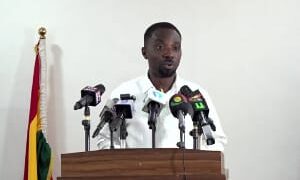
Chairman Odeneho Kwaku Appiah (COKA) has expressed strong dissatisfaction with the National Democratic Congress (NDC) government’s treatment of the Ashanti Region, describing it as unfair despite the region’s significant electoral contribution to the party’s 2024 victory.
The former Afigya Kwabre South Constituency Chairman provided specific electoral data to support his argument, revealing that Ashanti Region delivered more votes to the NDC than their traditionally stronger regions.
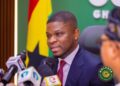
“Apart from Greater Accra, Ashanti region gave NDC and President Mahama the biggest votes in terms of numbers. More than even their stronghold Volta region. Ashanti region gave them 623,550 votes and their stronghold Volta gave them 533,119 votes.”
Despite this electoral support, COKA argues that the region has been shortchanged in government appointments and development priorities.
“Check the appointments President Mahama sent to Ashanti and compare it to other regions, very disappointing. Some of the smaller regions have four and five ministers. We have three. Check their budget and see the NDC priority projects, Ashanti Region has less.”
The former constituency chairman attributed this treatment to historical animosity, referencing past statements and policies that he believes demonstrate the NDC’s bias against the Ashanti region.
“The NDC has never liked the people of Ashanti region. You remember President Mahama once said that even if he tarred Ashanti region roads with gold, we won’t appreciate it. So that is the mindset of NDC about us.”
COKA also recalled the controversial Capitation pilot program under the National Health Insurance Scheme, which was initially implemented in the Ashanti Region.
“You remember they piloted Capitation of NHIS in Ashanti region that affected us and killed many of our women until we did demonstration before they withdrew it.”
This historical context, according to COKA, explains the current administration’s approach to the region despite its electoral support. His analysis suggests a pattern of political marginalization that transcends electoral calculations.
The criticism extends to the government’s handling of civil discourse and media freedom, with COKA noting the silence of traditionally vocal civil society groups.
“Apart from the Catholic bishops conference who recently criticised President Mahama on how he and his government are treating the former Chief Justice and the galamsey issues, all the so-called neutrals are quiet.”
He attributed this silence to political appointments that have compromised the independence of civil society voices.
“Many of the so-called neutrals have been given political appointments by NDC. Look at Prof. Gyampo who used to criticise NPP all the time is at Shippers Authority. Many of the so-called neutral journalists have been given political appointments.”